What is the 30/30/30 Rule for Restaurants?
Cassandra Conklin / Foodservice Tips, Restaurant Tips / March 11

Running a restaurant is a full-time job and it comes with more than just hiring kitchen staff. Handling financials and learning the industry is an essential part of keeping a foodservice business operating smoothly. What is the 30/30/30/ rule for restaurants? Find out below to understand this common phrase in the industry and get a better understanding of costs and profits for your restaurant.
What is the 30/30/30 Rule for Restaurants?
What does the 30/30/30 rule mean? It’s a guideline for restaurant financials to keep operating costs under control and protect profit margins. It stands for 30% food costs, 30% labor costs and 30% operating costs. This leaves a 10% profit. Here is a breakdown of each cost and how to follow the 30/30/30 rule:
Food Cost – 30%
Food costs are a necessity in any restaurant. This cost section needs to factor in ingredients, beverages, paper goods(to-go containers, napkins, etc.) and waste/spoilage. Food costs can fluctuate with the supply chain, so this cost tends to move with the market. Keeping track of food costs thoroughly will help you see where you spend the most. If you notice an increase in food waste, it might be time to lower the purchasing of certain ingredients.
Labor Cost – 30%
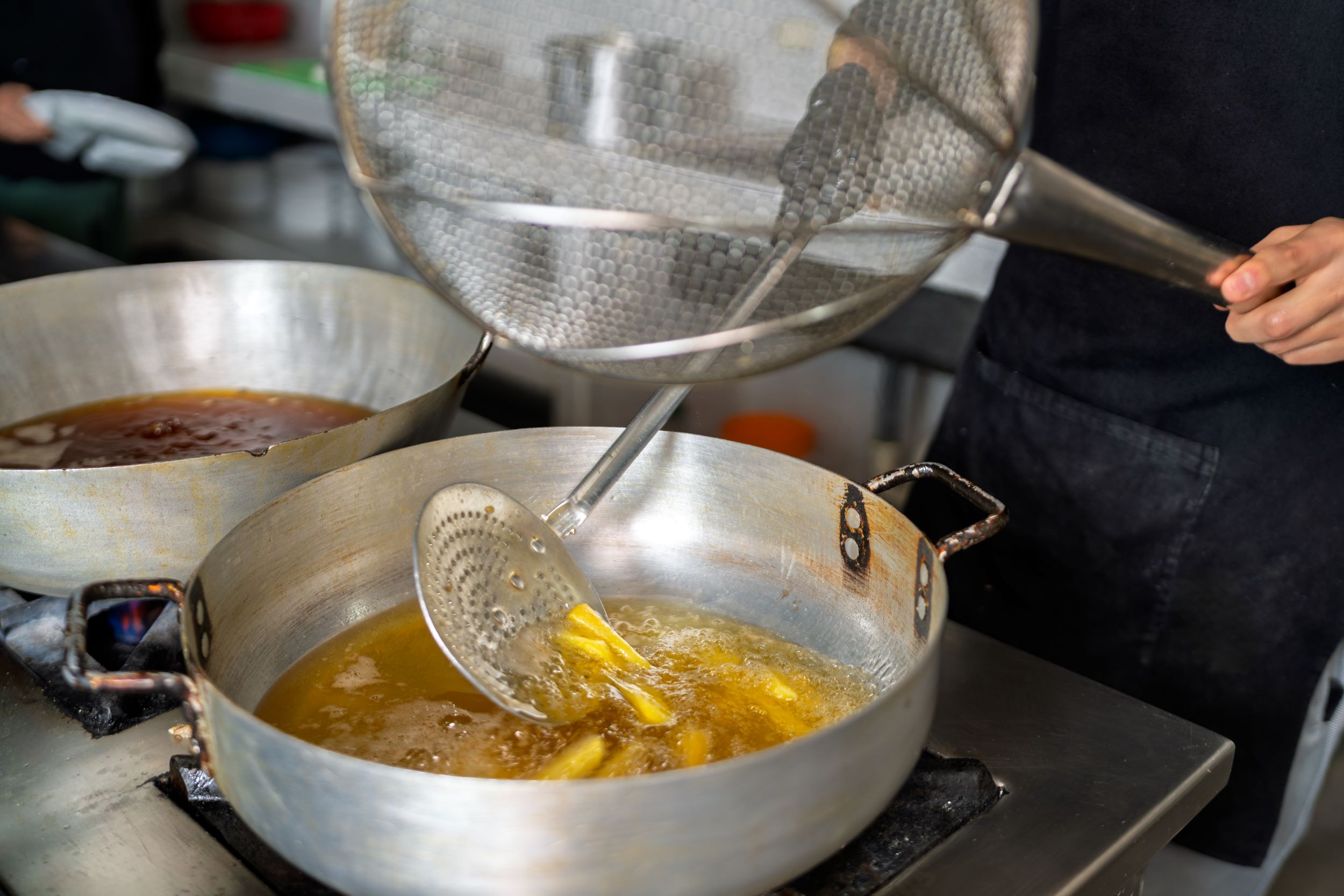
Labor costs vary depending on the size of the restaurant, but you’ll still want to keep it to a 30% margin. Labor costs can include more than just staff, it can also include costs like:
- Kitchen staff wages
- Front-of-house staff
- Payroll taxes
- Benefits
Labor is one of the hardest costs to control, especially with rising wages and staffing shortages. If you need tips on keeping this margin low, check out our guide on lowering labor costs with smart equipment.
Overhead – 30%
Overhead costs or operating costs are another important factor when handling restaurant financials. This cost includes a wide range of expenses like:
- Rent or mortgage
- Utilities (gas, electric, water)
- Insurance
- Equipment repairs
- Cleaning supplies
- Marketing
- POS systems
Some of these costs can be avoided or minimized by focusing on preventative maintenance in equipment. Lowering utility costs also means investing in energy-efficient equipment and staying on top of any utility spikes that could indicate malfunctions.
The Final 10% – Profit
The unspoken part of the 30/30/30/ rule is the 10% profit after all the costs. If the three major categories are controlled properly, the remaining 10% becomes profit. While 10% is the ideal outcome, how you manage other costs will change the profit margins.
Why is the 30/30/30 Rule Important?
This rule is so important for any restaurant management. It can simplify the financial planning and break it down into an easy to understand format. Knowing these numbers also helps with menu pricing strategy, provides a benchmark for troubleshooting profitability and can be extremely useful for anyone who is new to owning a restaurant.
If you want tips on controlling costs and find effective steps to help boost your margins, check out our guide on the top cost control measures in restaurants and foodservice.


